Would need some more technical info on that. I’m guessing what they mean is that the solution falls out from the physical arrangement. So, when you run certain inputs through it, you end up with their corresponding outputs being computed by the way the circuits reinforce or inhibit each other.
I found an YT Video about it, anyway it’s an improvement from a project from many years ago, nothing new. The first computer ever was analogic. Analog data are always superior than digital, not only in music.
It depends on the context. Analog is great when you’re dealing with gradients, hence why it’s such a great fit for neural network. Meanwhile, digital computing is optimized to represent discrete data. Both are tools that have their own distinct uses.


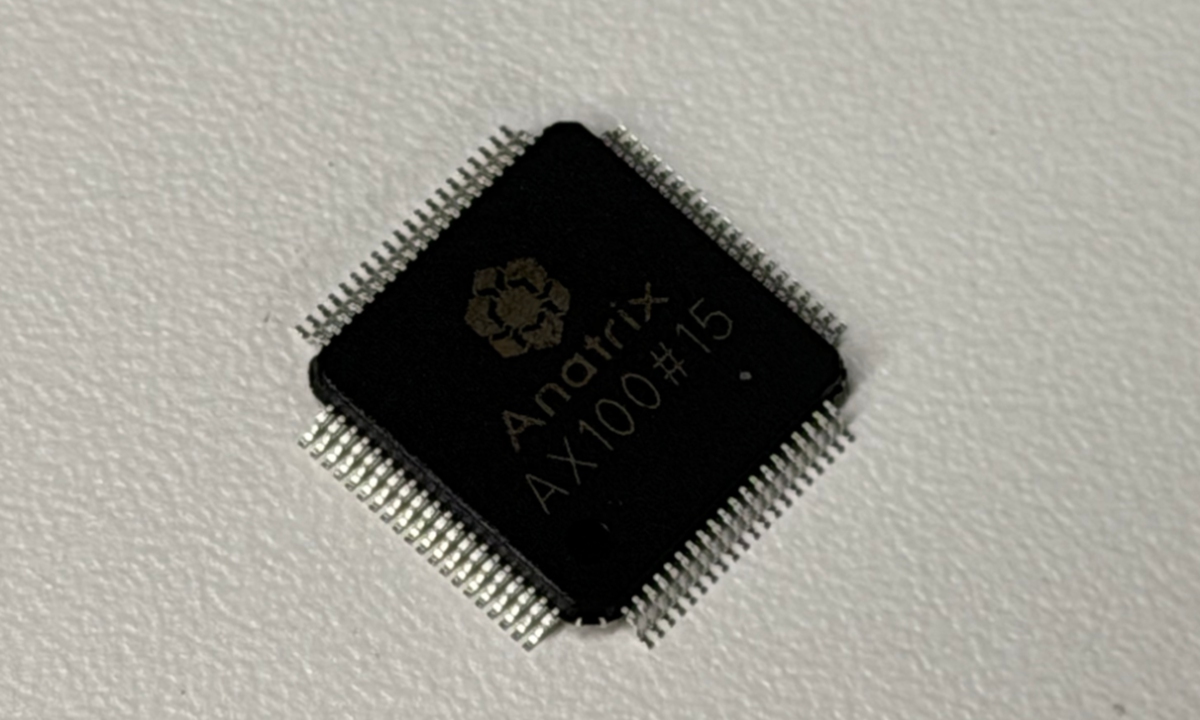
Would need some more technical info on that. I’m guessing what they mean is that the solution falls out from the physical arrangement. So, when you run certain inputs through it, you end up with their corresponding outputs being computed by the way the circuits reinforce or inhibit each other.
I found an YT Video about it, anyway it’s an improvement from a project from many years ago, nothing new. The first computer ever was analogic. Analog data are always superior than digital, not only in music.
https://www.youtube.com/watch?v=kQ1ZHBBLeG4
It depends on the context. Analog is great when you’re dealing with gradients, hence why it’s such a great fit for neural network. Meanwhile, digital computing is optimized to represent discrete data. Both are tools that have their own distinct uses.
Stability and biasing aside